Luxury Boutique Manors USA: A Strategic Guide to Heritage Asset Hospitality
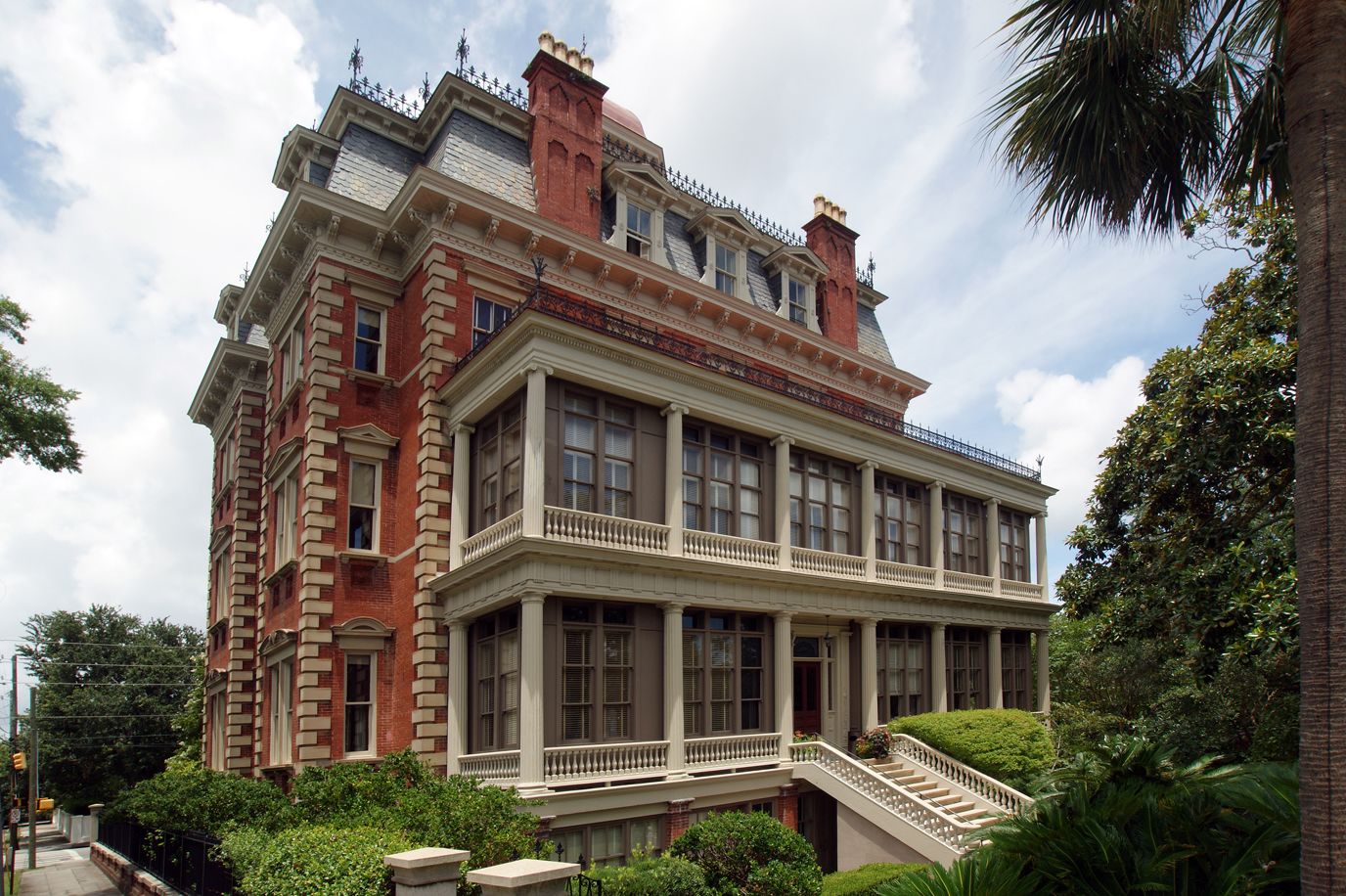
In the hierarchy of the American hospitality sector, the manor represents a distinct classification that sits uncomfortably between museum-grade historical preservation and modern commercial accommodation. A manor, by traditional definition, is not merely a residence; it is the center of a landed estate, characterized by architectural permanence, generous scale, and a specific relationship to the landscape it occupies. The challenge lies in reconciling the static requirements of preservation with the dynamic, high-friction demands of the modern guest.
The selection or development of such properties requires a forensic understanding of both the building’s “soul” and its functional limitations. True heritage assets, however, present a specific set of liabilities: antiquated mechanical systems, non-compliant accessibility layouts, and the inherent difficulty of scaling service within a footprint designed for single-family occupancy. The successful operator must view themselves not as a manager, but as a steward of a complex, aging machine.
This analysis explores the operational, architectural, and financial realities of the manor-hospitality model. It is intended for the investor, the developer, and the sophisticated traveler who understands that the experience of a manor stay is dictated less by the marketing collateral and more by the invisible labor, structural integrity, and logistical foresight that underpin the operation.
Understanding “Luxury boutique manors usa”
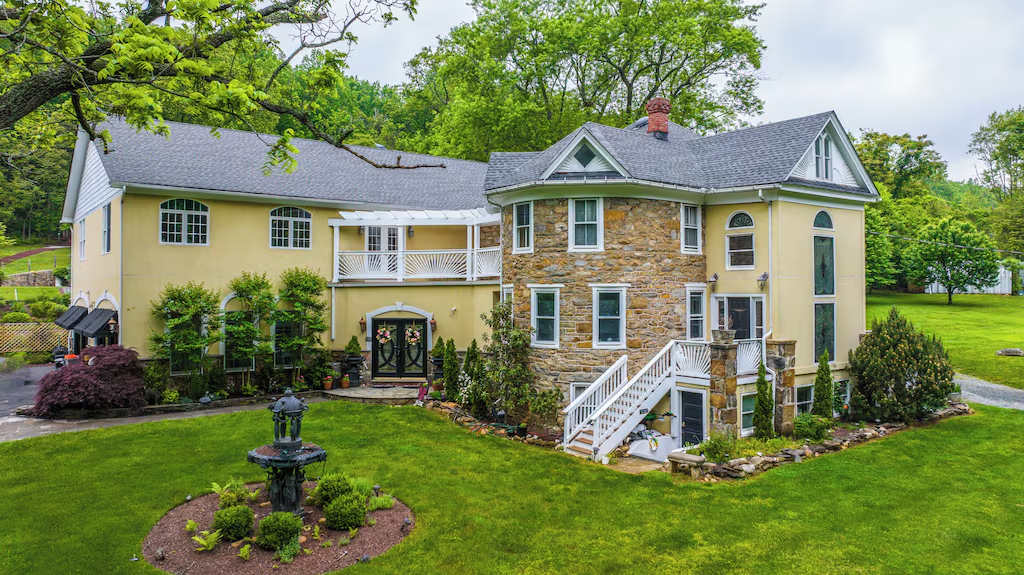
To effectively categorize the market of Luxury boutique manors usa, one must first decouple the architectural aesthetic from the operational model. A manor is a volume of space—typically grand, historic, and imposing—but “boutique” is a declaration of service philosophy. The collision of these two concepts is where the friction occurs. A manor implies a sprawl that is often antithetical to the high-touch, intimate service delivery expected of a boutique property. The primary misunderstanding is the assumption that the grandeur of the architecture translates automatically to the quality of the stay.
Consider the “Service-Density Gap.” In a purpose-built boutique hotel, circulation patterns are designed for staff efficiency—discrete service elevators, centralized pantries, and consolidated mechanical cores. In a manor, the architecture is often labyrinthine and partitioned, designed for domestic life rather than service delivery. Consequently, delivering a luxury-tier experience requires significantly higher staffing ratios. When this is ignored, the result is “faded grandeur”—a beautiful building with sluggish service, cold rooms, and maintenance delays.
The risks of oversimplification are particularly acute in the current market, where “manor-washing” has become a prevalent trend. Property developers may purchase a residential structure, apply cosmetic updates, and market it as a historic estate. This creates a disconnect. The guest arrives expecting the gravity and provenance of a genuine manor but experiences the functional limitations of a residential renovation. A professional-grade analysis of these properties must prioritize the distinction between genuine heritage architecture and aesthetic pastiche, as the difference dictates the long-term capital expenditure requirements and the ultimate guest experience.
Deep Contextual Background: The Evolution of Estate Hospitality
The lineage of the American manor is distinct from its European counterpart. While European manors were often the seats of feudal administration, American manors—particularly those built during the Gilded Age or the Colonial era—were status symbols of capital and industry. They were constructed to project power and longevity. However, the post-war suburbanization of America led to a crisis for these assets. As the maintenance costs of these estates became prohibitive for individual families, many were abandoned, demolished, or carved into smaller parcels.
The current hospitality model for these properties is a relatively recent phenomenon. It emerged from the “heritage tourism” movement of the late 20th century, which sought to commodify history for public consumption. This transition forced a radical restructuring of the building’s program. The manor, once an insular, private space, had to be opened, partitioned, and electrified to meet safety codes and modern connectivity standards. Today, we see a sophisticated stratification: those properties that are museum-trust-managed, ensuring rigid structural adherence, and those that are commercially managed, where the tension between historic preservation and guest comfort is constant. This evolution has created a specific market niche where the building’s history is its primary asset, and its operational rigidity is its primary liability.
Conceptual Frameworks and Mental Models
To manage these properties, one must adopt frameworks that look beyond traditional hospitality metrics.
-
The Preservation-Occupancy Paradox: The more a property is used, the more it degrades. True manor stewardship requires calculating the “load-bearing capacity” of both the physical structure and the guest experience. An over-booked manor quickly loses the “exclusive” atmosphere that justifies its price point.
-
The Mechanical-Integrity Baseline: In any historic manor, the mechanical systems (HVAC, electrical, plumbing) are the true “boutique” features. If the climate control is inconsistent or the hot water supply is lagged, the architectural beauty is irrelevant. Always prioritize the “hidden” infrastructure during an audit.
-
The Site-Specificity Logic: A manor is defined by its relationship to the surrounding land. If the landscaping is neglected, or if the property has lost its view corridors to modern development, the “manor” experience is fundamentally compromised. The estate is the context; the building is the vessel.
Key Categories of Manor Assets and Trade-offs
Classifying these assets by their structural origins allows for better risk assessment.
| Category | Typical Asset | Primary Strength | Structural Weakness |
| Gilded Age Estate | Massive, multi-wing | Scale and prestige | Massive CapEx requirements |
| Colonial Heritage | Proportional, wood/stone | Historical authenticity | Accessibility/Fire safety |
| Revivalist Manors | 1920s-1940s design | Modernized layouts | Often lack “true” provenance |
| Adaptive Farmstead | Converted outbuildings | Rural/Authentic vibe | Service delivery friction |
Realistic Decision Logic
If the operational objective is high-margin events, the Gilded Age Estate is the only viable candidate due to its scale. If the objective is a high-yield, low-intensity retreat experience, the Adaptive Farmstead or Revivialist Manor often offers a better ratio of maintenance cost to revenue potential. Avoid the Colonial Heritage category unless the ownership has a deep, pre-existing preservation trust to handle the inevitable structural crises.
Detailed Real-World Scenarios
Scenario 1: The Acoustic Conflict
A property owner hosts a high-end wedding in a historic stone manor.
-
Constraint: The house is built of dense masonry; sound carries through the ventilation and chimneys.
-
Failure Mode: Guests in the “quiet wing” are unable to sleep due to the ambient noise of the reception.
-
Second-Order Effect: The brand reputation is damaged by reviews citing a lack of privacy, leading to a decline in repeat business.
Scenario 2: The Modern Power Load
A manor attempts to install high-speed fiber and upgraded HVAC for a corporate client.
-
Constraint: The original 1920s wiring infrastructure is incapable of supporting the modern draw.
-
Failure Mode: A localized fire or consistent grid failure during the stay.
-
Second-Order Effect: The need for a total gut-renovation of electrical, which was not budgeted for, leading to a cash-flow crisis for the operator.
Scenario 3: The Accessibility Trap
A property attracts an older, affluent demographic but occupies a manor with no elevator and narrow, steep staircases.
-
Constraint: Historic registers prohibit the installation of modern elevators or ramps.
-
Failure Mode: Inability to accommodate the primary target market, leading to a permanent ceiling on revenue.
Planning, Cost, and Resource Dynamics
The economic management of manor-scale assets is fundamentally different from a commercial hotel.
| Variable | Financial Impact | Management Strategy |
| Deferred Maintenance | High/Compounding | Strict 5-year capital improvement schedule |
| Energy Consumption | Moderate | Significant potential for solar/insulation retrofits |
| Staffing Ratio | High | Specialized training for historic handling |
| Insurance Premiums | High | Dedicated coverage for heritage assets |
The opportunity cost of owning a manor is the liquidity of the capital tied up in the building itself. Unlike a commercial office building, a manor is often “un-convertible.” Once it is an estate hospitality asset, the path back to a single-family home or other commercial use is blocked by zoning and structural changes.
Tools, Strategies, and Support Systems
-
Laser-Scan Surveys: Use 3D laser scanning to map the structure before any renovation. Historic plans are rarely accurate.
-
Asset Preservation Trusts: Consider moving the property title into a trust that focuses on preservation, which can offer tax benefits and structural guidance.
-
Specialized Historic Trades Network: Maintain a Rolodex of contractors who work only on historic properties. Using standard commercial contractors for a manor is a recipe for disaster.
-
Operational Audits: Engage a firm that specializes in “Heritage Hospitality” rather than standard hotel consulting. They understand the specific balance of guest needs vs. building preservation.
Risk Landscape and Failure Modes
The manor model is inherently fragile. Risk is not a probability; it is a certainty in these assets.
-
Capital Exhaustion: The “bottomless pit” of historic repairs. An unexpected failure in the roof or foundation can wipe out two years of operating profit.
-
Regulatory Drift: Local zoning or historic boards may change their requirements, suddenly rendering the existing operation non-compliant.
-
Skill Degradation: As the property ages, it requires specialized knowledge that is becoming increasingly rare. If the facility manager leaves, the institutional knowledge of the building’s quirks goes with them.
Governance, Maintenance, and Long-Term Adaptation
A manor is not “maintained” in the way a hotel is; it is “stewarded.”
-
The Maintenance Ledger: A permanent document that records every nail, board, and pipe replaced. This becomes the most valuable asset of the property, proving the history of stewardship to future buyers.
-
The Layered Checklist:
-
[ ] Quarterly inspection of all roof penetrations and flashing.
-
[ ] Annual professional check of all electrical service panels and grounding.
-
[ ] Bi-annual assessment of landscaping/drainage to prevent foundation saturation.
-
-
Adjustment Triggers: If the “Cost of Preservation” exceeds 40% of the Net Operating Income, the business model must be adjusted to either increase rates (targeting higher-end, lower-impact guests) or reduce the scope of operation (closing off sections of the manor).
Measurement, Tracking, and Evaluation
Evaluation must prioritize asset longevity over short-term RevPAR (Revenue Per Available Room).
-
Preservation-Adjusted NOI: A metric that subtracts the cost of “structural preservation” from the standard Net Operating Income.
-
Leading Indicators: The frequency of minor repairs. An uptick in “small” issues (leaks, light failures) is a leading indicator of an impending major structural crisis.
-
Qualitative Signals: The “Patina Audit.” Does the property show wear that is “noble” (worn stone, polished wood) or “neglectful” (peeling paint, dust in corners)? The latter is a death knell for a luxury brand.
Common Misconceptions and Oversimplifications
-
Myth: “Owning a manor is a great tax shelter.” Correction: The cost of upkeep often outweighs tax advantages.
-
Myth: “The history of the house attracts guests.” Correction: The history attracts the first visit. The service and comfort attract the second visit.
-
Myth: “You can renovate as you go.” Correction: Renovation in a manor must be holistic. Patching one area often uncovers failures in the supporting infrastructure.
-
Myth: “Staffing is just like a hotel.” Correction: Staffing a manor requires an understanding of domestic service, which is much more nuanced than commercial hospitality.
Ethical and Practical Considerations
There is an ethical dimension to operating a manor. Operators have a moral obligation to prevent the structural decay of these assets. Furthermore, the commercialization of large estates, particularly those with complex histories, requires sensitivity. Engaging with local historians to curate the property’s narrative is a standard of professional operation. It transforms the property from a mere hotel into a cultural asset, which, in the long run, builds a moat around the business that no new competitor can easily replicate.
Conclusion
The operation of a manor as a hospitality asset is a discipline that rejects the ephemeral nature of standard commercial tourism. It demands a perspective that spans decades, not fiscal quarters. The successful operator understands that they are merely a temporary custodian of a physical legacy. By prioritizing structural integrity, maintaining a rigorous cycle of preventative maintenance, and resisting the urge to prioritize marketing trends over building health, they can achieve a level of stability and prestige that is unattainable in the homogenized hotel market. Excellence in the domain of Luxury boutique manors usa is not merely about providing a bed for the night; it is about facilitating a connection between the past and the present, within an environment that has been carefully curated to endure.