Best Boutique Spas in the US: A Definitive Guide to Wellness Operational Standards
The contemporary spa industry is currently undergoing a structural pivot from a model of passive indulgence to one of proactive, clinical-grade restorative care. In the past, the “spa day” was synonymous with surface-level pampering—a fleeting reprieve from the friction of daily life, often characterized by standard oils, dimmed lights, and predictable, repetitive protocols. This commodified approach is being rapidly eclipsed by a more sophisticated paradigm that values Best boutique spas in the us biological efficacy, environmental psychology, and long-term physiological impact over temporary relaxation.
This shift has created a clear demarcation between high-volume resort facilities and the truly refined, boutique operations. A boutique establishment is not merely a “smaller” spa; it is a highly controlled environment where the ratio of attention-to-guest is inverted compared to large-scale commercial entities. However, this level of service requires an intense operational discipline that is often invisible to the guest but essential to the spa’s function.
To identify the Best boutique spas in the US, one must look beyond the aesthetic veneer and analyze the property as a managed system. This involves evaluating the integrity of the practitioner-guest relationship, the thermodynamic engineering of the treatment spaces, and the scientific rigor behind the service menu. The objective of this article is to provide a diagnostic framework for discerning which facilities are genuinely advancing the field of wellness architecture and which are simply leveraging the terminology to justify higher pricing.
Understanding “Best boutique spas in the US.”
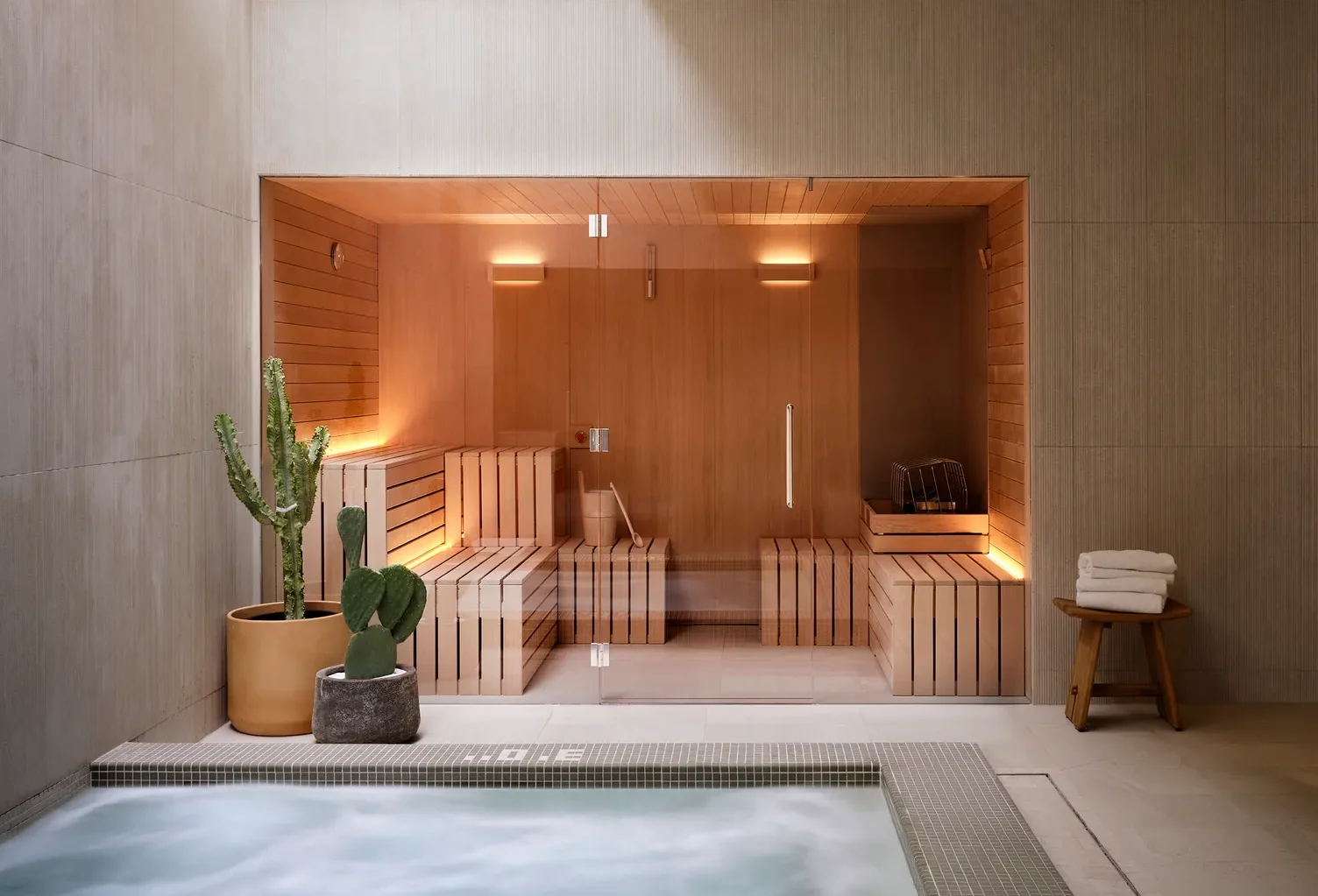
The classification of the Best boutique spas in the US is frequently muddled by marketing noise and the indiscriminate use of the word “boutique.” In the current market, the term is often applied to any facility with a curated decor palette, regardless of the operational methodology. True boutique status is determined by three immutable factors: scale, continuity, and intentionality.
A major misunderstanding is that “luxury” is the primary marker of a boutique spa. While high-end finishes and expensive linens are often present, they are not the indicators of quality. A genuinely superior facility is defined by the depth of its practitioner expertise and the coherence of its environment. If the treatment protocols are not adaptable—if they cannot be modulated to the specific needs of the guest’s nervous system on the day of their arrival—then the facility is performing a ritual, not a therapy. The most common oversimplification is the assumption that the “best” spa is the one with the most extensive list of amenities.
When we talk about the Best boutique spas in the US, we are referring to entities that have solved the problem of the “noisy” spa environment. They have achieved what is known in the industry as “silent architecture”—the ability to create a space where the ambient sensory input (noise, light, odor) is so perfectly managed that the guest’s sympathetic nervous system can downshift immediately.
Deep Contextual Background: The Evolution of Wellness Architecture
The history of the American spa is a fragmented narrative that evolved from the colonial-era interest in mineral springs—where physical isolation and the “taking of the waters” were the primary modes of health—to the sanitarium movement of the 19th century. In that era, the spa was a medical necessity. The architecture was utilitarian, designed for circulation, airflow, and hygiene. The focus was on the body as a biological system requiring reset.
As we moved into the mid-20th century, the “resort spa” emerged, largely as an extension of the vacation hospitality industry. The primary goal of these facilities was entertainment and social status. The architecture shifted from medical to theatrical; the focus moved from cellular repair to leisure. This period, while expanding the reach of the spa industry, diluted its efficacy.
We are now in the third major cycle, characterized by the “integrated wellness” movement. This era recognizes that the binary of “medical treatment” and “spa relaxation” is false. The most effective contemporary facilities—those we categorize as the Best boutique spas in the US—are synthesizing the best of the medical sanitarium (rigorous, evidence-based therapy) with the aesthetic comfort of the modern resort (sensory-positive design). They are reclaiming the idea that the spa is a place for biological maintenance, but they are doing so with an awareness of modern stress patterns that did not exist a century ago.
Conceptual Frameworks and Mental Models
To analyze the efficacy of a spa, one must move beyond subjective sentiment (“it felt nice”) and utilize more robust cognitive frameworks:
-
The Efficacy-Experience Matrix: This model plots a treatment’s physiological impact against its sensory pleasure. A great spa aims for the “Golden Quadrant”—great physiological change (repair, inflammation reduction, tissue mobilization) paired with high sensory comfort. Facilities that only provide one or the other are “commodity spas.”
-
The Sensory-Load Threshold: This theory posits that guests arrive at the spa with an already overburdened nervous system. The spa’s environment must operate at a sensory-input level below the guest’s threshold to trigger recovery. If the spa is too bright, too loud, or requires too many “decisions” from the guest (choosing scents, answering questions), it exceeds the threshold and fails to restore.
-
The Practitioner-Continuity Model: This model measures the health of the spa by the tenure of its staff. High turnover is a death knell for a boutique spa, as it prevents the development of the “therapeutic alliance”—the deep, non-verbal trust between practitioner and guest that is essential for the deepest levels of relaxation.
Key Categories of Asset Types and Trade-offs
Identifying the right facility requires mapping your specific restorative need to the spa’s operational strength.
Realistic Decision Logic: If you are seeking recovery from chronic physical stress or athletic overtraining, the Best boutique spas in the US for your needs will be those in the “Medical/Clinical Boutique” category. If you are seeking relief from sensory overload and cognitive fatigue, prioritize “Architectural Sanctuaries.”
Detailed Real-World Scenarios
Scenario 1: The “Protocol” Failure
A high-end boutique spa introduces a viral social media treatment. The staff is not trained in the underlying anatomy, but they perform the protocol by rote.
-
Decision Point: The spa prioritizes revenue (capitalizing on the trend) over the integrity of the treatment.
-
Failure Mode: A guest with a specific contraindication (e.g., neck instability) is injured because the practitioner did not understand the underlying mechanics of the technique.
-
Second-Order Effect: The spa loses its “boutique” reputation as a trusted authority, and high-value, repeat clientele migrates to more grounded competitors.
Scenario 2: The Acoustic Intrusion
A beautifully designed spa is constructed with hard, reflective surfaces (stone, glass, tile) to convey a “clean” aesthetic.
-
Decision Point: The owner prioritized visual “wow” factor over acoustic engineering.
-
Failure Mode: The sound of the reception area, plumbing, and other guests travels through the walls, rendering the “quiet zone” ineffective.
-
Second-Order Effect: The facility creates a “startle response” in guests, which is the exact opposite of the intended physiological effect.
Scenario 3: The Urban Disconnect
An urban recovery spa offers elite technology (cryotherapy, IV drips) but fails to curate the “transition” experience.
-
Decision Point: The spa treats the guest like a patient in a clinic rather than a guest in a sanctuary.
-
Failure Mode: The guest leaves feeling “optimized” but not “restored.” They immediately re-enter the frantic pace of the city.
-
Second-Order Effect: The guest fails to form a long-term habit because the “warmth” of the human experience is missing.
Planning, Cost, and Resource Dynamics
The economic reality of the Best boutique spas in the US is fundamentally different from mass-market wellness centers. The primary driver of cost is not the equipment; it is the human capital.
The Hidden Cost: High-quality spas often operate at lower margins than “resort spas” because they do not rely on the “churn” of high-volume guests. They rely on higher price points for fewer services, allowing for longer treatment times and more meaningful practitioner-client interactions.
Tools, Strategies, and Support Systems
To audit a spa’s quality before booking, one should look for specific indicators of operational maturity:
-
The “Pre-Arrival” Intake: Does the spa require a detailed intake form that covers not just allergies, but stress levels, current pain points, and sensory preferences? If the intake is generic, the treatment will be generic.
-
The Practitioner Ratio: Ask about the average length of employment for the practitioners. If the answer is “we have a rotating roster,” the spa is a commodity provider, not a boutique.
-
The “Transition” Protocol: Does the spa provide a dedicated space for the guest to “decompress” for 15 minutes before the treatment starts? A facility that rushes you from the lobby to the table is ignoring the biological reality of switching from “fight or flight” to “rest and digest.”
-
Acoustic Transparency: Call the spa and ask how they manage noise transfer between rooms. If the receptionist is hesitant or dismissive, the facility likely suffers from poor architectural planning.
Risk Landscape and Failure Modes
The “boutique” model is fragile. It relies on a delicate ecosystem of talent, management, and environment.
-
Service Creep: This occurs when a spa attempts to be “all things to all people”—offering medical injections, massages, facials, and group classes. This inevitably leads to a dilution of focus and a decline in specialized quality.
-
Burnout Dynamics: Practitioners in high-touch, boutique environments are at extreme risk of emotional and physical exhaustion. A spa that does not have a formal wellness program for its own staff will inevitably see its quality decline as the staff stops “giving” and starts “going through the motions.”
-
Trend-Chasing: The most dangerous trend for a boutique spa is trying to keep up with every seasonal beauty fad. The truly exceptional spas stick to a core competency and refine it over decades.
Governance, Maintenance, and Long-Term Adaptation
A facility must be treated as a living organism that requires active stewardship.
-
Maintenance Cycles: In the Best boutique spas in the US, exterior and interior maintenance is not reactive (fixing a leak when it drips); it is proactive (testing plumbing seals every six months).
-
Adjustment Triggers: If customer satisfaction scores (CSAT) for a specific treatment drop, the management must trigger a “protocol audit,” requiring the lead therapist to observe every practitioner performing that treatment to identify where the drift occurred.
-
Layered Checklist for Spa Integrity:
-
[ ] Acoustic continuity check (do doors close with a soft seal? Is there noise leakage from the hallway?).
-
[ ] Sensory inventory (is the scent profile consistent, or does it shift between chemical and organic?).
-
[ ] Staff engagement audit (do the practitioners seem empowered or rushed?).
-
Measurement, Tracking, and Evaluation
Evaluating a spa requires moving beyond the “I liked it” metric toward objective quality indicators.
-
The “Transition Time” (Leading Indicator): Measure how long it takes for a guest to report feeling “disconnected” from the outside world. If the spa has designed its flow correctly, this should happen within 10 minutes of arrival.
-
The “Protocol Variance” (Lagging Indicator): Are the treatments performed the same way regardless of which practitioner is on shift? High variance is a sign of poor training; low variance is a sign of operational discipline.
-
Qualitative Signal: Pay attention to the “post-treatment check-in.” Does the practitioner offer specific feedback on what they observed in the body (e.g., “I noticed significant tension in the trapezius, which might relate to…”)? This indicates the practitioner was fully present and engaged, not just applying a standard technique.
Common Misconceptions and Oversimplifications
-
Myth: “The most expensive spa is the best.” Correction: Price is often a proxy for marketing and real estate costs, not the skill of the staff.
-
Myth: “Medical spas are always more effective.” Correction: Medical spas are more effective for specific clinical outcomes, but they often lack the “restorative” environment necessary for systemic stress reduction.
-
Myth: “Massages are the only thing that matters.” Correction: The “spa” is an environment of recovery. If the environment is loud and chaotic, even the best massage will not produce deep repair.
-
Myth: “You can tell the quality from the photos.” Correction: Photos capture the “look” but never the “feel” (the smell, the temperature, the sound).
Ethical and Practical Considerations
There is a distinct ethical obligation in the boutique spa industry regarding the treatment of practitioners. The “service” is literally provided by the human hand. If the facility does not pay a living wage and provide benefits, the practitioner will be unable to maintain the level of presence required for high-end boutique work. Furthermore, the issue of “wellness consumption” is real. We must guard against the commodification of health—treating spa visits as a “luxury good” rather than a “maintenance requirement.” The Best boutique spas in the US are those that operate with transparency, respecting both the ecological impact of their water/energy use and the human impact of their labor practices.
Conclusion
The pursuit of the right spa environment is an exercise in discerning operational integrity. In a world saturated with superficial wellness marketing, finding a facility that truly prioritizes the physiological reality of the guest is an act of research and evaluation. Whether one is seeking recovery from the acute stress of modern life or maintenance for the long term, the principles remain constant: look for the “invisibility of effort,” the continuity of care, and the rigor of the protocol. The most effective facilities are not those that shout about their luxury; they are the ones that quietly and consistently facilitate the body’s natural capacity to repair. The identification of these spaces—the genuine Best boutique spas in the US—is the final step in taking ownership of one’s own well-being, moving from a passive consumer of wellness trends to an active steward of one’s own physical and cognitive health.