Coastal Boutique Destinations USA: A Strategic Framework for Asset Management and Experience Design
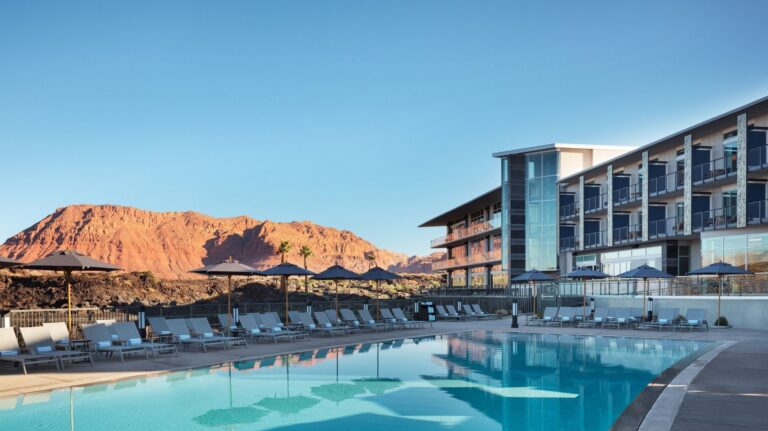
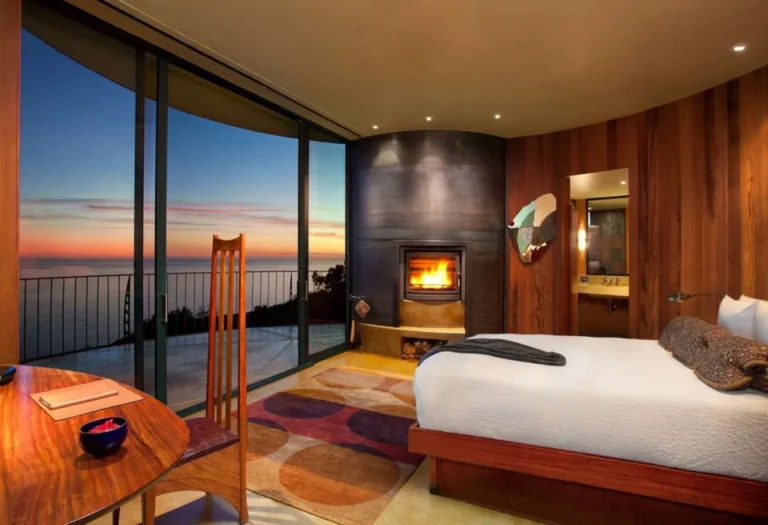
The coastline represents the most challenging environment for high-end hospitality. It is a place of constant flux, where the thermodynamic stress of salt air, high humidity, and extreme weather patterns creates a hostile baseline for any physical structure. When developers and operators attempt to layer the “boutique” hospitality model—a model predicated on intimacy, high-touch service, and curated aesthetics—atop these demanding environments, the result is often a collision of incompatible forces. A boutique property is only as successful as its ability to mitigate these external environmental pressures while maintaining an interior atmosphere of frictionless luxury.
The current landscape of independent coastal hospitality is undergoing a quiet shift. However, this transition is fraught with complexity. Operational veracity—the ability for a property to deliver on its promise without constant mechanical failure—is rare. Those vetting Coastal boutique destinations usa must look past the gloss of marketing collateral and engage in a forensic evaluation of the property’s operational skeleton.
This analysis dissects the mechanics of coastal hospitality. Whether evaluating an investment opportunity or seeking a high-fidelity environment for cognitive recovery, the analytical principles remain the same: understand the constraints, audit the maintenance cycles, and respect the volatility of the edge.
Understanding “Coastal boutique destinations usa”
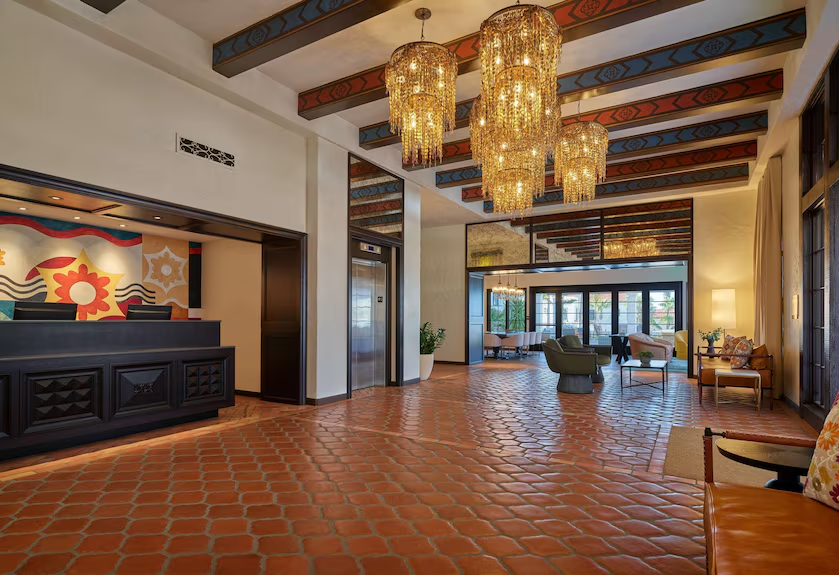
Defining the landscape of Coastal boutique destinations usa requires first peeling back the layer of marketing terminology that renders the term “boutique” nearly useless. In common parlance, “boutique” implies small, stylish, and expensive. In operational reality, it implies a limitation of scale that allows for a heightened degree of control over the guest’s experience.
The primary misunderstanding in this sector is the assumption that location equates to experience. A property located on the coastline does not inherently provide a “boutique” experience; it provides a view. The experience becomes one of maintenance failures and logistical friction.
Oversimplification is the enemy of the serious evaluator.. They anticipate the specific, aggressive decay patterns of the coast and build their operational and maintenance schedules around them. They do not fight the environment; they negotiate with it, designing spaces that age gracefully with the salt rather than attempting to resist it through constant, expensive surface-level repair.
Deep Contextual Background: The Evolution of Seaside Hospitality
The history of the seaside retreat in America is a cycle of discovery, exploitation, and, more recently, restoration. These structures were heavy, permanent, and designed to withstand the intensity of the winter storms. As the automobile liberated the American traveler in the mid-20th century, the coastal asset shifted toward the disposable. The “motor court” and the beach motel emphasized mobility and accessibility, prioritizing a cheap, mass-market experience over structural longevity.
The contemporary boutique movement is a rejection of both the heavy sanatorium and the flimsy motel. It seeks a middle ground: the “curated independent” property. This model draws on the lessons of vernacular architecture—local materials, ventilation strategies, and site-specific orientations—and combines them with enterprise-grade operational systems. The evolution we are currently observing is a transition from “coastal decoration” (using seashells and blues to signify the beach) to “coastal integration” (using building forms that respond to the tides, the salt-wind, and the specific ecosystem). The most sophisticated operators now view their properties as part of the coastal ecology, not an intrusion upon it.
Conceptual Frameworks and Mental Models
To manage these properties with the requisite rigor, one must employ mental models that prioritize environmental endurance over aesthetic trends.
-
The Corrosion-Lifecycle Model: Everything on the coast is decaying. The question is not if an asset will fail, but how fast. The most successful properties calculate the life of every fixture—from the door hinges to the HVAC condensers—based on the “corrosion-constant” of their specific geography. They do not fix things when they break; they replace them on a strict, preemptive schedule.
-
The Humidity-Load Framework: Coastal boutique properties must be treated as climate-controlled laboratories. If the “envelope” (the building’s seal) is breached, the internal furniture, fabrics, and electronics will suffer catastrophic damage within one season. The building’s thermal envelope is the primary driver of operational profit or loss.
-
The Seasonal Throughput Paradox: Coastal areas are defined by feast and famine. The mental model here is “Revenue per Available Day” (RevPAD) rather than RevPAR. Success is found in how the property survives the “off-season” without cannibalizing its brand value or its physical integrity.
These frameworks ensure that when analyzing Coastal boutique destinations usa, the focus remains on the structural and financial health of the asset rather than the subjective appeal of its design.
Key Categories of Asset Types and Trade-offs
Classifying properties by their structural origins allows for better risk assessment and operational planning.
Realistic decision logic: One must match the property category to the operational budget. An “Urban Waterfront” property offers high revenue potential but carries a massive premium for land and taxes. A “Barrier Island” property offers a lower barrier to entry but requires a relentless, aggressive maintenance budget that often catches first-time operators by surprise.
Detailed Real-World Scenarios
Scenario 1: The Humidity Trap
An owner converts a historic coastal house into a boutique property. They install high-end, luxury velvet upholstery.
-
Constraint: The house lacks a modern HVAC dehumidification system.
-
Failure Mode: Within two months, the upholstery develops mildew. The air feels heavy and damp. Guests complain of the smell.
-
Second-Order Effect: The brand is branded as “musty,” a reputation that is nearly impossible to shake in the competitive market of Coastal boutique destinations usa.
Scenario 2: The Salt-Corrosion Blindspot
A new property opens, using sleek, modern steel light fixtures and railings.
-
Constraint: The property is located 500 feet from the high-tide line.
-
Failure Mode: The salt air pits the steel within 90 days. The fixtures begin to rust and bleed onto the walls.
-
Second-Order Effect: The operational budget is immediately cannibalized by the need for expensive, non-scheduled replacement of all exterior hardware.
Scenario 3: The Peak-Season Staffing Collapse
A property relies on seasonal student labor for its high-summer boutique experience.
-
Constraint: The local housing market makes it impossible for staff to afford a place to live, leading to high turnover.
-
Failure Mode: Service standards crater during the busiest two weeks of the year because the staff is inexperienced and constantly changing.
-
Second-Order Effect: Guest reviews plummet, leading to a long-term decline in the property’s premium pricing power.
Planning, Cost, and Resource Dynamics
The economic management of coastal assets is fundamentally different from interior hospitality. The “Hidden Tax” of the coast is the primary variable.
Operating Coastal boutique destinations usa requires accepting that the “cost of doing business” is significantly higher than in inland locations. One must budget for the fact that the ocean is effectively a corrosive, active participant in the property’s operation.
Tools, Strategies, and Support Systems
-
Moisture-Sensor Networks: Install IoT moisture sensors throughout the building envelope. Detecting a leak or a humidity spike before it becomes visible damage is the only way to protect a high-end asset.
-
Marine-Grade Inventory Tracking: All exterior items must be tracked by their exposure level. A chair on the ocean-facing side has a different lifespan than a chair on the courtyard side.
-
Local “Craftsman” Networks: Do not rely on general contractors. Build a network of specialist boat-wrights, metalworkers, and roofers who understand the “salt-cycle” of the local climate.
-
Climate-Controlled Storage: Every property needs a climate-controlled “staging warehouse” to store seasonal furniture and soft goods during off-peak periods, preventing unnecessary exposure to winter moisture.
Risk Landscape and Failure Modes
The “coastal model” is inherently fragile. Risk is not a probability; it is a feature of the geography.
-
Capital Exhaustion: The “bottomless pit” of coastal repair. An unexpected hurricane or storm surge can destroy years of accumulated profit in a single night.
-
Regulatory Drift: Coastal management agencies (like the CCC) may change requirements for sea walls, dune protection, or building heights, suddenly rendering the existing operation non-compliant or difficult to upgrade.
-
Climate Displacement: Properties built on low-lying coastal land face a long-term existential threat from rising sea levels that no amount of maintenance can mitigate.
Governance, Maintenance, and Long-Term Adaptation
For the serious operator, a coastal property is not a static object; it is an exercise in stewardship.
-
The Maintenance Ledger: A permanent, detailed document that records every repair. This ledger is an asset in its own right—it proves to potential investors that the property is being managed with professional rigor.
-
The Layered Checklist:
-
[ ] Monthly inspection of the building envelope (windows, doors, siding seals).
-
[ ] Bi-annual deep-clean of all HVAC air-handlers to remove salt accumulation.
-
[ ] Annual review of exterior coatings and finishes.
-
-
Adjustment Triggers: If maintenance costs exceed 25% of gross revenue, the property must be re-evaluated. Is the issue poor design, or is the asset simply reaching the end of its useful, profitable life?
Measurement, Tracking, and Evaluation
Evaluation must move beyond “RevPAR” to “Asset Longevity” and “Operational Sustainability.”
-
Corrosion-Adjusted ROI: Calculate the true cost of ownership by subtracting the “Accelerated Depreciation” caused by the salt air from the net operating income.
-
Leading Indicators: The frequency of minor repairs. An uptick in “small” issues (rust on a fixture, a sticking window) is a leading indicator of a failing building envelope.
-
Qualitative Signals: The “Crispness Metric.” When a guest walks into a coastal property, is there a smell of dampness? Is the salt-crust visible on the windows? If the answer is yes, the operation is failing.
Common Misconceptions and Oversimplifications
-
Myth: “Coastal properties are great investments because land is limited.” Correction: Land is limited, but the utility of the land is declining as maintenance costs and insurance risks rise.
-
Myth: “Luxury design will hide the age of the building.” Correction: High-end finishes show damage more clearly than rustic ones. A scratch on a marble floor in a beach house is a disaster; a scratch on a hardwood floor in a mountain cabin is “character.”
-
Myth: “You can renovate as you go.” Correction: Coastal renovation must be holistic. Patching one area often uncovers hidden water damage in the wall structure.
-
Myth: “The location sells itself.” Correction: The location attracts the first booking. The operational maintenance sells the second booking.
Ethical and Practical Considerations
There is an ethical dimension to building and operating on the coast. The shoreline is a public resource, even if the land is private. Operators have a moral obligation to prevent the structural decay and the ecological degradation of their sites. Furthermore, the “boutique” experience must be reconciled with the reality of the coastal community. Engaging with local conservation efforts, ensuring shoreline access is maintained, and operating with a radical level of transparency regarding the property’s resource footprint are standard requirements for long-term viability in the hierarchy of Coastal boutique destinations usa.
Conclusion
The pursuit of the perfect coastal environment is a discipline of synthesis. It requires the developer, the operator, and the traveler to strip away the superficiality of mass-market trends and instead engage with the structural, climatic, and human realities of the coastline. Whether adapting a historic cottage or creating a new infill project, the objective remains the same: to design a space where the layout works so well that the resident never considers the constraints of the footprint The taxonomy of Coastal boutique destinations usa is complex, but for the serious observer, it reveals a clear path to lasting value and genuine restoration.